There are limitless ways to get your music heard, and sometimes, the immensity of options can confuse artists. Facebook ads and Spotify Marquee are two great options for artists who are conversant with their usage. This guide will compare both platforms and draw a definite conclusion on the winner.
The winner will be chosen based on six crucial factors: CTR, replays, awareness, minimum budget, data, and campaign diversity. Let’s roll!
Click-through Rate: Spotify Marquee Wins
The argument for advertising is that it brings brands closer to their potential audience. Facebook allows business pages to target people based on affiliated groups, competitors’ pages, hashtags, and approved keywords. While running Facebook ads has been one of the most effective ways to get people to cross over to Spotify, its click-through rate is relatively low – 0.89%. Spotify Marquee CTR is 21.7% higher than Instagram, Facebook ads, or Twitter (according to Rolling Stone).
Replays: Spotify Marquee Wins
Harassing listeners with multiple and intrusive ads won’t compel them to stream your music, let alone save it. Hence, the best way to
advertise is to target an audience that is more receptive to your content when they are most receptive. In summary, the interests of the target audience and the timing of the ad matter most.
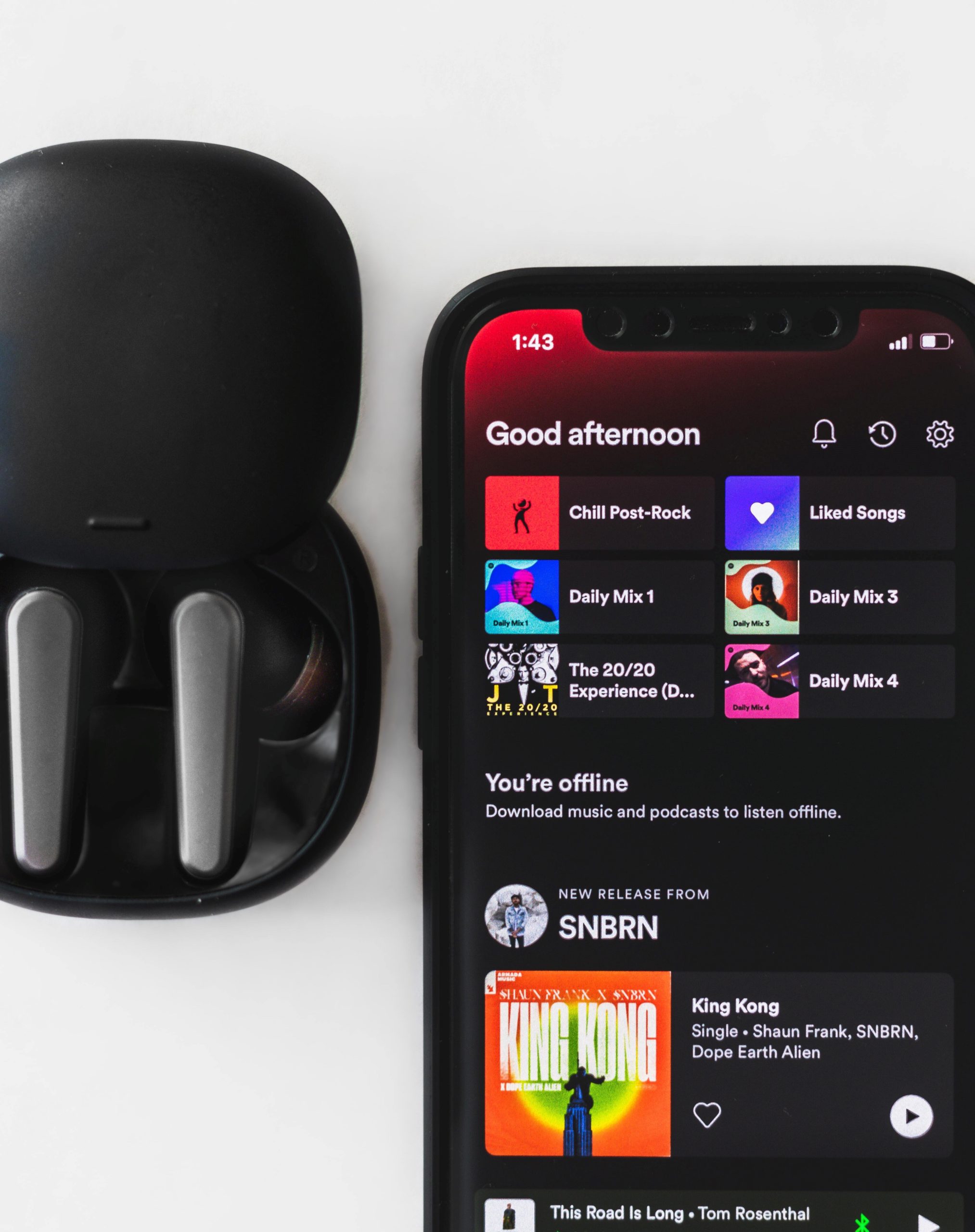
Although Facebook lets you target their users based on their preferences, locations, age, or sex, Spotify Marquee takes music ads to the next level. Instead of targeting Facebook users who might not have anything to do with your music, you can target your old fans on Spotify and potential fans of your competitors in the same genre. For instance, if you are a conscious rapper, you can target Common Talib Kweli, Mos Def, and The Roots fanbase.
Regarding timing, most of the Spotify listeners you will be targeting are in the right mood for some good music, so they might be willing to try out some new music of yours. Unfortunately, when promoting your new music on Facebook, there is no way to know if the listeners are getting ready for work, coming home during a hectic day, or just uninterested, putting you at the risk of targeting an audience in the wrong state of mind. According to a Spotify report highlighting the success of Drama with the tool, a quarter of Listeners who were targeted with a Marquee saved or playlisted at least a track from the album. It appears these listeners streamed 17 tracks.
The good thing about Spotify Marquee is that it brings your music where your potential and current fans are gathered. No more traffic diversion from Facebook to Spotify. Why not go to Spotify directly?
Also, running Facebook ads for Spotify is like burning dollars to promote the Spotify brand for free. Running a Spotify Marquee ad is the opposite; it allows you to exploit already-established Spotify users, not people who may have accounts on other DSPs like Apple or Deezer. So when it comes to the number of replays gotten per ad, Spotify Marquee is the winner.
Awareness: Facebook Ads wins
An awareness campaign aims to bring people’s attention to a brand. If you want to build brand awareness, Facebook is your best go-to. Spotify has roughly 165 million subscribers, while Facebook has 2.91 billion active users. Consequently, Facebook has more users and a wider demographic compared to Spotify. Also, you can go viral on Facebook with $5000, but spending the same amount on Spotify Marquee will only give you 9000 streams, according to Rolling Stone. The Facebook pay-per-click system allows you to pay less money if you choose to target a wider audience or audience from third-world countries. You can take advantage of the Facebook system to introduce your brand new fans across the globe. Facebook is the clear winner here.
Minimum Budget: Facebook Wins
The minimum budget for a Spotify Marquee ad is $250. On the other hand, all you need to set up a Facebook ad is $5. So the margin is too far, and Facebook is the winner.
Data: A Tie
Advertisers who advertise only for streams are short-sighted. We live in an information age where data is power. One of the reasons big labels make accurate moves is because they have access to data from their artists and tech companies.
Spotify offers data metrics such as ads reach, clicks, campaign engagement, fan development metrics, conversion rate, number of streams, saves, playlist adds, and many more. In addition, Facebook gives you access to the number of ad views, ad clicks, and budget spent. Also, you can check the performance by demographics and placement.
The Facebook algorithm can predict the results you could get according to your budget. But, when it comes to data, it’s a tie. If you want data about your users’ behavior on Spotify, go with Spotify Marquee. On the other hand, if you want to track consumer behavior outside Spotify, Facebook is your best bet. With tracking tools like Bitly or LinkTrackr, you can get more information via Facebook ads.
Campaign Diversity: Facebook Wins
As we’ve mentioned earlier, when it comes to diversity of users, even if few companies could beat Facebook, unfortunately, Spotify is not one of those companies. You can target users across all walks of life and race on Facebook.
Conclusion: Spotify Marquee vs Facebook Ads
The overall winner is the Facebook ads manager. However, if you wish to capture your music audience where they are gathered, Spotify Marquee is the best route. If you are running a brand awareness campaign, feel free to use Facebook ads.